Safety Considerations for Commercial Concrete Sawing and Removal
People seeking commercial concrete sawing and removal often want safe, efficient services, and local contractors can ensure proper techniques and safety measures are followed.
If you're exploring safety considerations for commercial concrete sawing and removal, you're in the right place. Property owners in the area often face the challenge of managing large-scale concrete projects safely and efficiently, whether for renovations, demolitions, or new construction. Understanding the key safety practices can help prevent accidents, protect workers, and ensure the job site remains secure. Local contractors specializing in concrete sawing and removal are well-versed in these safety measures and can provide the expertise needed to navigate complex projects with confidence.
Keeping safety at the forefront is essential when dealing with concrete cutting and removal tasks. Proper planning, equipment handling, and site management are critical components that local service providers prioritize to minimize risks. These professionals understand the importance of adhering to safety protocols and are equipped to handle the unique demands of each project. By connecting with experienced local contractors, property owners can ensure that safety considerations are integrated into every phase of the work, helping to achieve successful results while maintaining a secure environment.
- Commercial building renovations - when structural modifications require precise concrete cutting, local contractors prioritize safety measures to protect workers and surrounding structures.
- Parking lot modifications - during asphalt and concrete removal for new layouts, local service providers implement safety protocols to prevent accidents and ensure site stability.
- Utility line installations - when cutting through concrete slabs for utility access, local pros follow safety considerations to minimize hazards and avoid damage to existing infrastructure.
- Floor opening and access point creation - for installing elevators or stairwells, local contractors focus on safety practices to secure the work area and protect personnel.
- Structural repairs and reinforcement - when removing or cutting concrete to reinforce structures, local service providers adhere to safety considerations to reduce risks during demolition and removal.
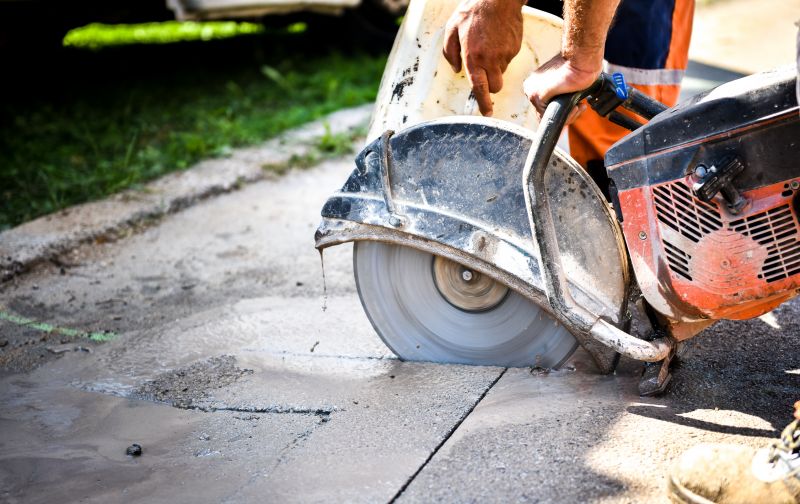
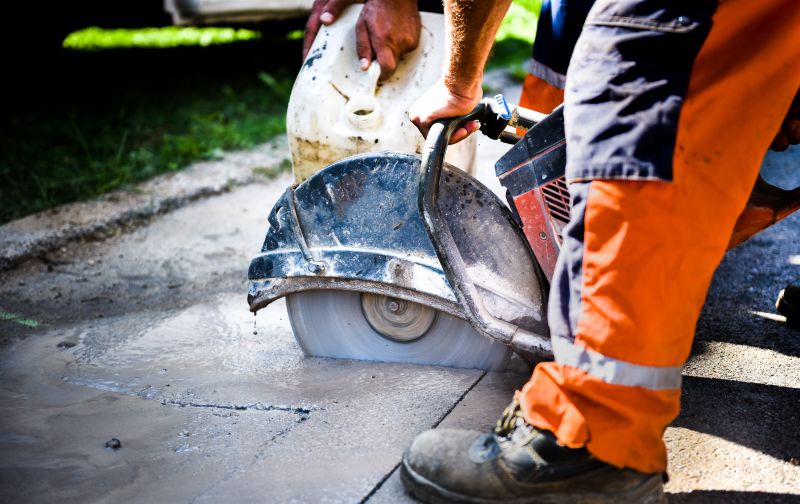
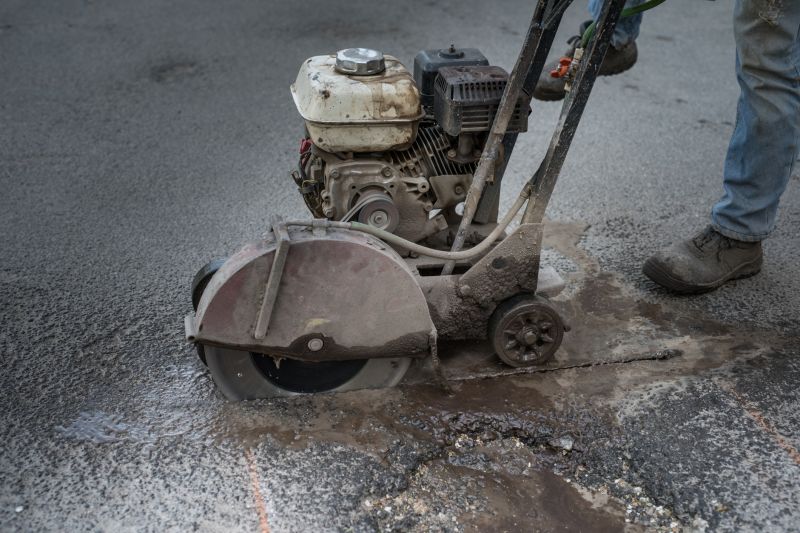
When people search for safety considerations for commercial concrete sawing and removal, they are often trying to understand the risks involved in cutting and removing concrete in a professional setting. This topic typically relates to projects that require precise cutting through concrete surfaces, such as creating openings for doors, windows, or utilities, or removing sections of concrete for renovations or repairs. Ensuring safety during these operations is crucial because improper procedures can lead to injuries, property damage, or delays. Homeowners and property managers seeking information want to know how to protect workers, bystanders, and the property itself when engaging in or overseeing such work.
Safety considerations for commercial concrete sawing and removal are closely tied to the specific problems or plans associated with a project. For example, cutting through concrete near existing utilities or structural elements requires careful planning to prevent accidental damage or collapse. Similarly, removing large sections of concrete involves managing dust, debris, and vibration, which can pose health and safety risks if not handled properly. Local service providers who specialize in concrete sawing and removal are experienced in assessing these risks and implementing safety protocols, such as using appropriate equipment, protective gear, and containment measures to minimize hazards.
The types of properties where safety considerations for commercial concrete sawing and removal come into play are diverse. These include commercial buildings like warehouses, retail centers, and office complexes, where large-scale concrete work is common. Industrial facilities with heavy infrastructure often require specialized removal techniques to ensure safety and compliance. Additionally, property owners of multifamily residential buildings or public infrastructure projects may need to coordinate concrete cutting and removal while safeguarding tenants, pedestrians, and surrounding structures. Understanding the property type helps determine the appropriate safety measures and the right local contractors to handle the job effectively.
For homeowners or property managers considering concrete modifications or repairs, understanding safety considerations is essential to ensure the project proceeds smoothly and safely. Local pros experienced in commercial concrete sawing and removal can evaluate the specific site conditions, identify potential hazards, and employ safety procedures tailored to the property. Whether dealing with a commercial site or a residential project, these service providers bring expertise in managing dust, noise, vibration, and structural stability, helping to prevent accidents and protect everyone involved. Connecting with knowledgeable local contractors ensures that safety remains a priority throughout the entire concrete sawing and removal process.
Asphalt cutting projects - local contractors specializing in asphalt cutting often employ similar saws and safety procedures as those used in concrete sawing and removal, requiring careful planning to prevent hazards.
Demolition of masonry walls - masonry demolition involves cutting through brick, stone, or block structures, utilizing comparable tools and safety measures as commercial concrete sawing services.
Bridge deck cutting - cutting through concrete bridge decks demands precise planning and safety considerations similar to those in commercial concrete removal projects.
Industrial floor removal - removing or replacing industrial flooring involves cutting techniques and safety protocols akin to concrete sawing and removal services.
Parking lot expansion projects - expanding or modifying parking lots requires cutting through concrete surfaces, emphasizing safety planning similar to commercial sawing jobs.
Foundation wall modifications - altering or removing foundation walls involves specialized cutting tools and safety considerations comparable to those in concrete removal services.
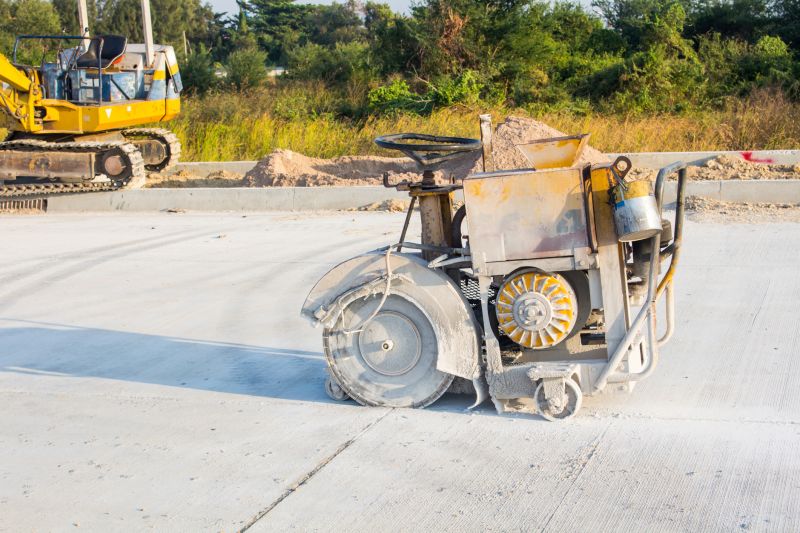
When evaluating service providers for commercial concrete sawing and removal, it is important to consider their experience with projects similar in scope and complexity. Contractors who have a proven track record handling comparable tasks are more likely to understand the specific safety considerations involved, such as managing dust, vibration, and structural stability. Asking for details about past projects can help determine whether a contractor has the necessary hands-on experience to navigate the unique challenges of your job while maintaining safety standards.
Clear written expectations are essential when comparing local contractors for concrete sawing and removal services. A detailed scope of work should outline safety procedures, equipment to be used, and any precautions to protect workers and the surrounding environment. This clarity helps ensure that all parties are aligned on safety responsibilities and that the project will proceed with safety considerations at the forefront. Well-defined expectations can also serve as a basis for accountability, minimizing misunderstandings that could compromise safety.
Reputable references and strong communication are key indicators of a contractor’s reliability and commitment to safety. Contactting previous clients can provide insights into how well the contractor adheres to safety protocols and manages unforeseen issues. Good communication throughout the project is vital for addressing safety concerns promptly and effectively. Service providers who are transparent and responsive are more likely to prioritize safety considerations for commercial concrete sawing and removal, ensuring that safety remains a consistent focus from planning through completion.
Property owners often search for safety considerations for commercial concrete sawing and removal when they are planning practical projects around their homes and businesses. Local pros provide Commercial Concrete Sawing and Removal services for everyday jobs and straightforward project options.

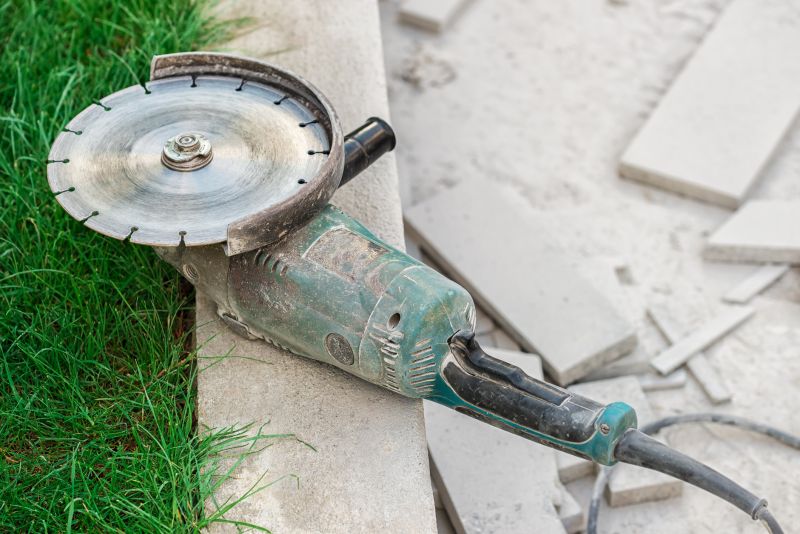
When undertaking commercial concrete sawing and removal projects, property owners often consider safety considerations to prevent accidents and ensure smooth operations. Whether it's creating openings for new windows, removing damaged sections, or preparing surfaces for renovations, understanding the potential hazards involved is essential. Local contractors who specialize in this work are equipped to handle these safety concerns by using proper equipment and following established procedures, helping property owners avoid costly mistakes and potential injuries during the project.
Many property owners search for information on safety considerations for commercial concrete sawing and removal to better understand how to protect workers and nearby structures. These projects can involve heavy machinery, dust, and vibrations, which pose risks if not managed properly. Engaging experienced service providers ensures that safety protocols are followed, reducing the likelihood of accidents. Local professionals can assess the specific needs of each project, implement safety measures, and help property owners navigate the complexities of concrete removal safely and efficiently.
What safety considerations are important during commercial concrete sawing and removal? Ensuring proper equipment handling, maintaining clear work areas, and using appropriate safety gear are essential safety considerations for commercial concrete sawing and removal. Local contractors typically follow safety protocols to minimize risks during these operations.
How can local service providers help ensure safety during concrete removal projects? Local contractors are experienced in managing safety hazards by implementing safety procedures, using specialized equipment, and adhering to industry best practices to protect workers and surrounding structures.
Are there specific safety precautions for operating concrete cutting saws? Yes, safety precautions include wearing protective eyewear, hearing protection, dust masks, and ensuring proper ventilation. Local pros are knowledgeable about these precautions and incorporate them into their work processes.
What are common hazards associated with commercial concrete sawing and removal? Common hazards include dust inhalation, flying debris, equipment-related injuries, and structural instability. Experienced local contractors take measures to control these hazards effectively.
What safety measures should be considered when working near existing structures? It is important to assess structural stability, use appropriate support techniques, and establish safety zones. Local service providers are equipped to manage these safety considerations during the project.
Proper equipment handling - Ensuring that tools and machinery are operated correctly can prevent accidents and injuries during concrete sawing and removal projects.
Site assessment and preparation - Conducting a thorough evaluation of the work area helps identify potential hazards like hidden utilities or unstable surfaces that require careful planning.
Use of safety barriers and signage - Installing barriers and warning signs around the work zone helps keep bystanders safe and alerts workers to ongoing activities.
Training and supervision - Relying on experienced local contractors ensures that safety protocols are followed and that everyone on-site understands best practices for safe operation.
If you are thinking about safety considerations for commercial concrete sawing and removal for a property, this guide is meant to help you understand this topic, the typical project types, and how different options might fit your plans.
When you are ready, you can use the quote form on this page to share a few details about your project. From there, local pros can review the basics and follow up with options that match what you have in mind.